Soap Making Supplies for Every Process
Soap making supplies cover the ingredients, equipment, and finishing materials used to create bar, liquid, and specialty soaps. Common methods include cold process, hot process, melt-and-pour, and liquid soap making; each calls for a different combination of materials and tools. Beginners often start with a ready-made melt-and-pour base, while experienced makers may formulate recipes with oils and sodium hydroxide. Liquid soap recipes typically use potassium hydroxide instead. Core supplies can include a digital scale, heat-safe containers, a stick blender, molds, and protective equipment. Consider how much soap you plan to make, the process you prefer, and whether you need individual ingredients or a coordinated kit. Ubuy can help shoppers discover international soap making products and compare options across the category.
- Cold process, hot process, melt-and-pour, and liquid soap options
- Starter kits or individual ingredients and tools
- Supplies for personal projects, gifts, and small-batch production
Soap Bases, Oils, Butters, and Additives
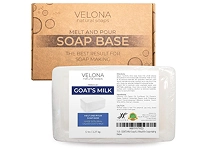
The base ingredients shape a soap recipe's texture, cleansing feel, and finished appearance. Melt-and-pour bases are pre-formulated and can be customized with suitable colorants, fragrances, and small amounts of additives. For recipes made from scratch, makers commonly compare olive, coconut, castor, sunflower, and palm oils, along with butters such as shea and cocoa. Each oil contributes different properties, so use a reliable recipe or soap calculator rather than substituting ingredients by volume. Optional additions include clays, finely ground oats, salts, and dried botanicals; their suitability depends on the recipe and intended use. Review ingredient names, form, quantity, and handling guidance before buying. Brands such as Bramble Berry and Crafter's Choice are familiar to many soap makers, but product details should guide selection.
- Melt-and-pour bases and individual soapmaking oils
- Butters, clays, oats, and other recipe additions
- Check ingredient form, quantity, and recipe compatibility
Lye, Measuring Tools, and Soapmaking Safety
Cold-process and hot-process soap recipes use sodium hydroxide, commonly called lye, to saponify oils; liquid soap recipes generally use potassium hydroxide. These caustic ingredients require careful handling and accurate measurements. Choose a digital scale with a suitable capacity and clear resolution, plus heat-resistant containers and utensils intended for soapmaking. Wear chemical-resistant gloves and eye protection, work with good ventilation, and keep children and pets away from the work area. When preparing a lye solution, always add lye to water slowly, never water to lye, and follow a tested recipe and the supplier's safety instructions. Avoid aluminum equipment, which is not suitable for contact with lye. Check containers and tools for material compatibility, and store chemicals securely in clearly labeled packaging separate from food.
- Sodium hydroxide for bar soap and potassium hydroxide for liquid soap
- Accurate weighing with a digital scale
- Gloves, eye protection, ventilation, and compatible equipment
Fragrance, Colorants, Molds, and Finishing Tools
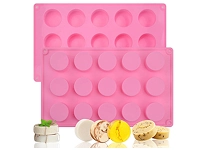
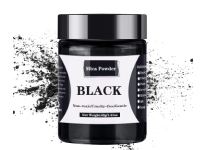
Fragrance oils and essential oils can add scent, while soap-compatible colorants help create distinct designs. Options include micas, oxides, clays, and liquid colorants, but not every product is suitable for every soap process. Check intended use, recommended usage guidance, and recipe compatibility before adding fragrance or color. Silicone molds are popular for individual bars and patterned shapes; loaf molds suit batches that can be cut into bars. A thermometer, spatula, cutter, and stick blender can support mixing and shaping, while texture tools help create swirls or surface details. Consider mold dimensions, capacity, flexibility, and ease of cleaning. For a cohesive project, compare the base, colorant, fragrance, and mold together so the planned design fits the process and the materials are appropriate for soapmaking.
- Soap-compatible fragrances and colorants
- Silicone bar molds and loaf molds
- Thermometers, cutters, spatulas, and design tools
Soapmaking Accessories, Packaging, and Care
Accessories help organize production and prepare finished soap for storage or gifting. Useful options include measuring pitchers, mixing bowls, spatulas, wire or crinkle cutters, mold liners, and labels. Packaging choices range from paper wraps and boxes to bands and reusable containers; select a format suited to the soap's shape and intended presentation. Allow bars to cure as required by the recipe before wrapping, and keep finished products in a clean, dry place. After each session, clean tools according to their material and the residue involved, following safe handling practices for lye-contaminated equipment. Store fragrances, colorants, oils, and chemicals in suitable, labeled containers and observe supplier directions. Ubuy offers a way to explore international soap making supplies, including accessories and packaging, while comparing product specifications for a project.
- Cutters, pitchers, liners, labels, and storage items
- Paper wraps, boxes, and other packaging formats
- Clean, dry storage and care suited to each material
Select the Right soap making supplies
Start with the soapmaking process you want to use, then build a list around its specific requirements. A melt-and-pour project needs an appropriate base, heat-safe tools, a mold, and compatible fragrance or colorant; a cold-process recipe also calls for carefully measured oils, sodium hydroxide, and protective gear. Compare ingredient quantities, container and mold dimensions, material compatibility, and supplier instructions before choosing products. If you are new to formulating, follow a tested recipe and avoid changing oil proportions without recalculating the lye. Experienced makers may prioritize specialty oils, design tools, or larger quantities for repeat batches. Read product descriptions closely and match each item to the planned batch size and intended finish. Ubuy can help you discover international options; compare specifications and select supplies that fit your method, skill level, and workspace.
- Match supplies to the soapmaking method
- Check dimensions, ingredients, and usage guidance
- Choose quantities suited to batch size and experience